

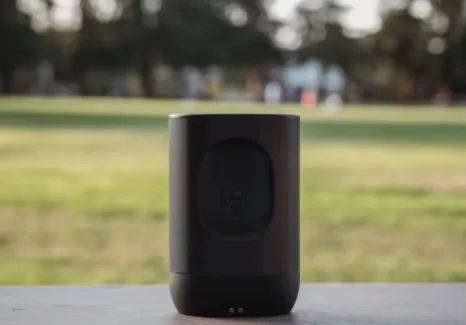
In today’s fast-moving digital lifestyle, audio is no longer confined to homes, studios, or cars. Music, podcasts, and immersive sound experiences travel with people wherever they go. At the centre of this shift are portable speakers, compact yet powerful devices that have transformed how sound is shared and experienced. What once required large, stationary sound systems can now be achieved with lightweight, wireless devices that fit in a backpack or even a hand. Their rise reflects a broader change in consumer expectations, where convenience, mobility, and performance must coexist seamlessly.
Portable speakers are no longer simple accessories. They are essential lifestyle devices that accompany travel, work, leisure, and social gatherings, offering an audio experience that continues to rival traditional setups, including certain ซาวด์บาร์ systems.
From Bulky Devices to Compact Audio Powerhouses
The early stages of portable speaker development were defined by limitations. Initial models were often heavy, underpowered, and dependent on wired connections. Battery life was short, and sound quality was inconsistent, making them suitable only for basic listening.
The introduction of wireless technology marked a major turning point. Bluetooth connectivity allowed users to connect devices without physical cables, significantly improving usability. Over time, improvements in digital signal processing, battery technology, and acoustic engineering transformed portable speakers into sophisticated audio systems.
Today’s models deliver impressive clarity, strong bass, and balanced sound reproduction in compact designs that were unimaginable just a decade ago. This transformation highlights how rapidly consumer audio technology has evolved in response to lifestyle demands.
Design Innovation and True Portability
One of the most important features of modern portable speakers is their design. Manufacturers now focus on creating devices that are lightweight, durable, and visually appealing. Compact form factors make it easy for users to carry speakers anywhere, whether for travel, outdoor activities, or home use.
Durability is also a key design focus. Many speakers now feature water resistance, dust protection, and shockproof construction. These improvements allow users to enjoy music in a variety of environments, from beach outings to hiking trips, without worrying about damage.
Aesthetic design has also become important. Portable speakers are now available in sleek minimalist styles as well as bold, expressive designs, allowing users to choose devices that reflect their personal taste.
Sound Quality That Defies Size Expectations
One of the most common misconceptions about portable speakers is that small size equals weak sound. Modern engineering has proven otherwise. Advances in driver technology and acoustic tuning have allowed compact speakers to produce powerful and detailed audio.
Many portable speakers now include multiple drivers and passive radiators, enhancing bass performance while maintaining clarity in mid and high frequencies. Some models are even capable of delivering stereo sound separation, creating a more immersive listening experience.
Digital sound processing also plays a key role in optimising output based on the environment. This ensures that sound remains clear whether indoors or in open outdoor spaces, where audio dispersion can be more challenging.
Connectivity and Smart Integration
Connectivity is one of the strongest advantages of modern portable speakers. Bluetooth remains the primary standard, offering stable wireless connections with smartphones, tablets, and laptops. However, newer models now support additional technologies such as Wi-Fi streaming and NFC pairing, improving flexibility and convenience.
Multi-device connectivity has also become common, allowing users to switch between devices without disconnecting. This is especially useful in shared environments where multiple people may control the audio source.
Smart integration has further expanded functionality. Many portable speakers now work with voice assistants, enabling users to control music, check information, or manage smart home devices through voice commands. This integration transforms speakers from passive audio devices into interactive digital tools.
Battery Life and Charging Advancements
Battery performance has always been a critical factor in portable speaker design. Early models often required frequent recharging, limiting their practicality. However, advancements in lithium-ion battery technology have significantly extended playback times.
Modern portable speakers can often deliver hours of continuous playback on a single charge, with some high-capacity models lasting even longer. Fast-charging technology has also improved usability, allowing users to quickly recharge and resume use without long waiting periods.
USB-C charging has become the standard in many devices, offering faster and more efficient energy transfer compared to older charging methods. This shift has improved both convenience and compatibility across devices.
Customisation and User Control
Personalisation has become a major trend in consumer electronics, and portable speakers are no exception. Many devices now offer companion mobile apps that allow users to adjust sound settings, customise equaliser profiles, and manage connectivity options.
Stereo pairing features enable users to connect multiple speakers for a wider soundstage, while multi-room audio systems allow synchronised playback across different spaces. These features give users greater control over how and where sound is experienced.
On-device controls have also improved, offering intuitive buttons or touch interfaces for quick adjustments without needing a smartphone.
Environmental Awareness and Sustainable Design
As environmental concerns grow globally, manufacturers are increasingly focusing on sustainability in portable speaker production. Many brands now use recyclable materials and eco-friendly packaging to reduce environmental impact.
Energy efficiency has also improved, with modern speakers designed to consume less power during idle states. This not only extends battery life but also reduces overall energy consumption.
Some companies are also adopting product longevity strategies, designing speakers with improved durability to reduce electronic waste. These efforts reflect a growing shift toward responsible consumer electronics production.
Market Diversity and Consumer Choice
The portable speaker market is highly competitive, offering a wide range of products at different price points. Entry-level models focus on affordability and basic functionality, while premium speakers emphasise high-fidelity sound, advanced features, and superior build quality.
This diversity allows consumers to choose products based on their specific needs, whether for casual listening, professional use, or outdoor adventure. As competition increases, innovation continues to accelerate, benefiting users with better features and improved performance across all categories.
Lifestyle Integration and Everyday Use
Portable speakers have become deeply integrated into everyday life. They are commonly used for home entertainment, outdoor gatherings, travel, fitness activities, and even small professional events.
Their versatility makes them ideal for users who want flexible audio solutions without the constraints of traditional sound systems. Whether used for background music, party sound systems, or personal relaxation, portable speakers adapt easily to different environments and use cases.
This adaptability has made them one of the most widely adopted audio devices in modern consumer technology.

Future Innovations in Portable Audio
The future of portable speakers is expected to be shaped by artificial intelligence, spatial audio, and deeper ecosystem integration. AI-driven sound optimisation may soon allow speakers to automatically adjust audio settings based on room size, noise levels, and user preferences.
Spatial and 3D audio technologies are also expected to enhance immersion, creating more realistic and surround-like sound experiences from compact devices. Improved battery technology may further extend usage time while reducing charging frequency.
As smart home ecosystems continue to expand, portable speakers are likely to become even more interconnected, functioning as central hubs for audio, communication, and digital interaction.
Conclusion
Portable speakers have evolved from simple wireless gadgets into powerful, intelligent audio systems that redefine how sound is experienced. Their combination of compact design, strong performance, smart features, and adaptability has made them essential in modern life.
As technology continues to advance, portable speakers will only become more capable, offering richer sound, longer battery life, and deeper integration with digital ecosystems. They stand as a clear example of how innovation can transform everyday objects into essential tools that enhance lifestyle, mobility, and entertainment.

LovelyWishy is a warm space filled with meaningful wishes, heartfelt messages, and thoughtful responses. We create simple, beautiful words that help you express emotions, celebrate moments, and connect with the people you love in a special and memorable way.