


In today’s fast-paced world, many individuals encounter the overwhelming experience of panic attacks, a condition characterised by sudden episodes of intense fear and discomfort. Fortunately, several effective techniques are available for panic attack treatment, offering hope and relief to sufferers. Understanding the nature of panic attacks and exploring various therapeutic options can empower individuals to reclaim control over their lives.
Understanding Panic Attacks
Panic attacks can strike unexpectedly, often without any apparent trigger, leaving individuals feeling frightened and bewildered. These episodes typically include physical symptoms such as rapid heartbeat, sweating, trembling, and shortness of breath, alongside a compelling sense of impending doom or loss of control. This physiological response to perceived danger serves as a protective mechanism, activating the body’s ‘fight or flight’ response; however, in the case of panic attacks, this response becomes activated erroneously.
The prevalence of panic attacks underscores the necessity of effective treatment strategies. Many people may experience isolated panic attacks without a recurrent pattern, while others may develop anxiety disorders, including panic disorder, where panic attacks become frequent and debilitating. It is crucial to approach treatment with a comprehensive understanding of the individual’s unique experiences and symptoms.
Cognitive Behavioural Therapy (CBT)
Cognitive Behavioural Therapy (CBT) is widely regarded as one of the most effective treatments for panic attacks. This evidence-based approach focuses on identifying and reshaping negative thought patterns and beliefs that contribute to anxiety. Through a series of structured sessions, individuals learn to recognise distorted thinking, challenge their assumptions, and develop healthier coping mechanisms.
During CBT, therapists work with individuals to understand the connections between thoughts, feelings, and behaviours. By gaining insight into these connections, individuals can reduce the frequency and intensity of panic attacks over time. In addition, CBT typically includes exposure therapy, wherein clients are gradually exposed to feared situations and sensations in a controlled manner, allowing them to habituate to the sensations and diminish their power.
Mindfulness and Relaxation Techniques
Mindfulness is an effective therapeutic approach for many experiencing panic attacks. It fosters a heightened awareness of the present moment, helping individuals develop a non-judgemental acceptance of their thoughts and feelings. Mindfulness practices, such as meditation and deep breathing exercises, can be powerful tools in managing panic attacks by promoting relaxation and reducing stress.
Deep breathing exercises, in particular, play a crucial role in mitigating the physiological symptoms of panic attacks. By fostering control over one’s breath, individuals can activate the parasympathetic nervous system, counteracting the body’s stress response. This practice helps regulate heart rate, reduce dizziness, and alleviate the feeling of suffocation often accompanying panic attacks.
Pharmacological Options
For individuals with severe symptoms or diagnosed with panic disorder, pharmacological interventions may provide relief. Antidepressants, particularly selective serotonin reuptake inhibitors (SSRIs) and serotonin-norepinephrine reuptake inhibitors (SNRIs), are commonly prescribed and have proven effective in reducing panic attack frequency and severity.
Whilst medication may offer symptomatic relief, it is often most beneficial when combined with therapeutic approaches. Individuals need to work closely with healthcare professionals to determine the most appropriate pharmacological treatment, considering potential side effects and the possibility of dependency in the case of benzodiazepines, which may be used for short-term relief.
Lifestyle and Self-care Strategies
In addition to formal therapy, individuals can adopt various lifestyle changes to support their recovery. Regular physical activity, a balanced diet, and adequate sleep contribute to overall well-being and can help reduce the incidence and severity of panic attacks. Exercise, in particular, promotes the release of endorphins, which improve mood and alleviate anxiety.
Avoiding stimulants such as caffeine, nicotine, and alcohol is also crucial, as these substances can exacerbate anxiety symptoms and trigger panic attacks in susceptible individuals. Instead, focusing on self-care routines, such as engaging in fulfilling hobbies, spending time in nature, and cultivating a supportive social network, can significantly improve resilience against anxiety.
Seeking Professional Guidance
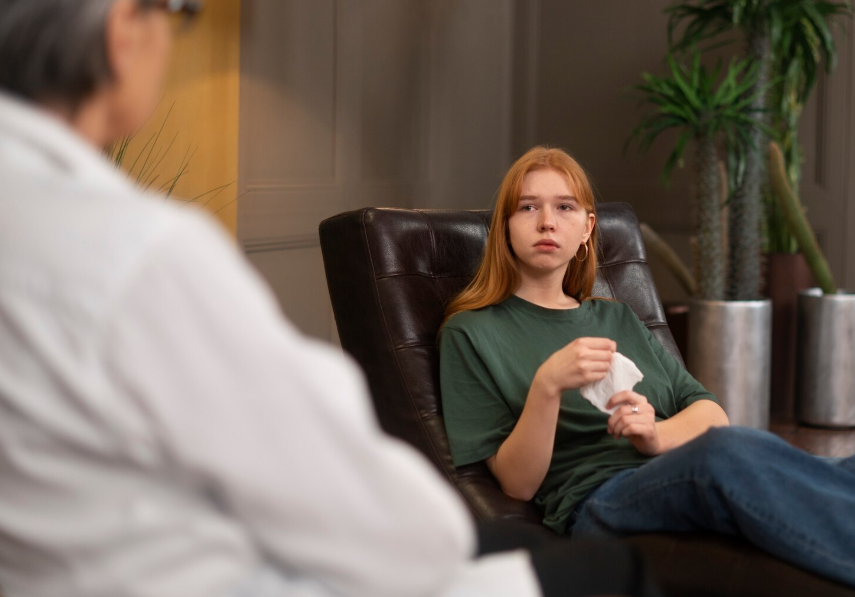
While self-help strategies and lifestyle changes can be valuable, seeking professional guidance remains paramount for effective panic attack management. Licensed therapists and mental health professionals provide tailored interventions and support to address each individual’s unique needs. The therapeutic relationship between a client and therapist is foundational, fostering trust and facilitating progress in overcoming panic attacks.
Professional guidance often includes psychoeducation to equip individuals with a comprehensive understanding of their condition. With knowledge of the underlying mechanisms of panic attacks, individuals are better equipped to implement strategies that mitigate their impact, ultimately leading to improved quality of life.
Emerging Alternative Therapies
In addition to established treatment methods, emerging alternative therapies offer renewed understanding and hope for individuals experiencing panic attacks. Techniques such as Eye Movement Desensitisation and Reprocessing (EMDR), acupuncture, and hypnotherapy have garnered attention for their potential effectiveness in reducing anxiety and panic symptoms. While research in these areas is ongoing, early results suggest their potential as complementary therapies in panic attack management.
EMDR focuses on processing traumatic memories, helping individuals process distressing thoughts that may trigger panic attacks. Acupuncture, an ancient practice rooted in traditional Chinese medicine, is suggested to balance energy flow and reduce anxiety symptoms, although scientific evidence regarding its efficacy is still developing. Hypnotherapy aims to alter thought patterns and responses through guided relaxation and focused attention, creating a state of heightened suggestibility and deeper self-awareness.
These innovative approaches exemplify the evolving landscape of panic attack treatment, highlighting the importance of holistic care in addressing the complexities of anxiety disorders. As understanding and accessibility continue to improve, sufferers are increasingly empowered to explore and benefit from a diverse range of therapeutic options tailored to their individual needs.

LovelyWishy is a warm space filled with meaningful wishes, heartfelt messages, and thoughtful responses. We create simple, beautiful words that help you express emotions, celebrate moments, and connect with the people you love in a special and memorable way.