

Words evolve. They travel across borders, pick up new meanings, and transform within communities. What starts as one simple term can become completely different depending on who’s using it and where they’re from. The word “fett” is a perfect example of this linguistic journey.
If you’ve heard “fett” in conversation, online, or in music and weren’t sure what it meant, you’re not alone. This single word carries multiple interpretations, some positive, some literal, and some rooted in centuries of cultural tradition. Understanding the nuances helps you use it correctly and avoid accidentally saying something you didn’t intend.
Let’s explore where “fett” comes from, what it really means, and how different cultures around the world use it today.
What Does “Fett” Actually Mean?
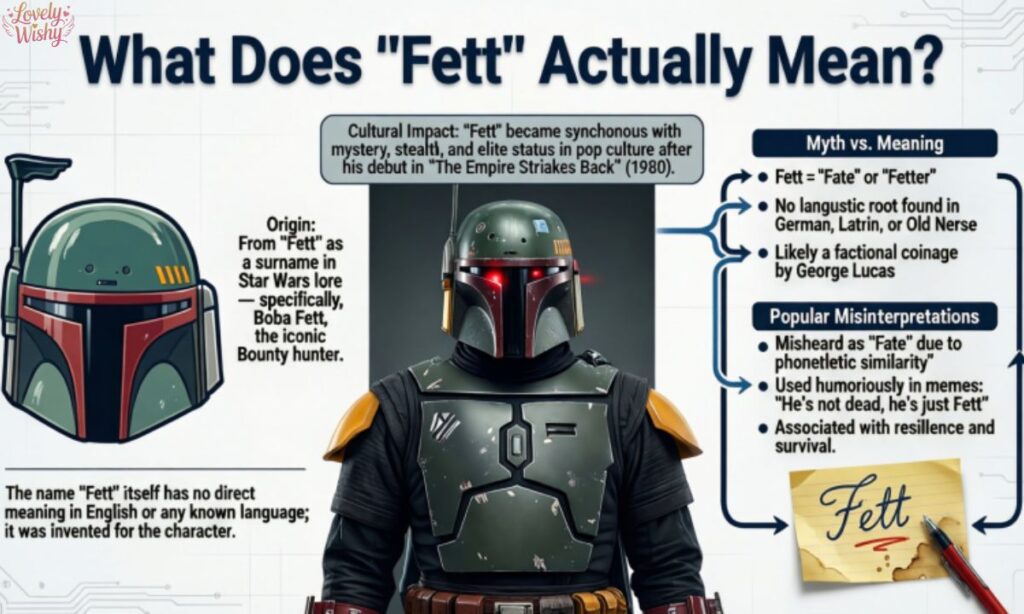
The answer depends entirely on context. Here’s the quick breakdown:
German Connection: In Germany, “fett” started as a straightforward word for fat (the substance), but modern youth slang transformed it into an expression meaning “cool,” “great,” or “amazing.”
Caribbean Roots: Across Trinidad, Tobago, and other Caribbean islands, “fett” refers to a party or celebration, especially the elaborate street parties that happen during Carnival season. Think music, dancing, costumes, and pure energy.
Pop Culture Link: Star Wars fans immediately think of Boba Fett and Jango Fett, the iconic bounty hunters. While this reference isn’t connected to the word’s other meanings, it’s shaped how millions of people think about the term.
Simple Truth: Depending on your audience and setting, “fett” might mean something stylish and impressive, or it might mean a wild party that you absolutely can’t miss.
Understanding “Fett” in German
In German, “Fett” (with a capital F) is the standard dictionary word for fat. You’ll see it on food labels, hear it in health discussions, and encounter it in everyday conversation about cooking. “Butter ist Fett” simply means butter contains fat.
But here’s where modern German gets interesting. Young people throughout Germany have taken “Fett” and flipped its meaning on its head. When a teenager says “Das ist fett!” they’re not describing something as literally fatty, they’re calling it awesome. A German student might say “Die neue Sneaker sind fett!” (those new sneakers are on fire!) as a genuine compliment.
This positive slang use is common in casual settings, music, and among friends. It’s the kind of language you’d hear at parties or in group chats, not in formal meetings or official documents. The tone matters, enthusiasm makes it clearly positive, while a flat delivery could sound insulting if applied to someone’s appearance.
Where Did “Fett” Come From?

Words don’t just appear. They have histories, and understanding those origins helps explain why “fett” means such different things in different places.
Germanic Linguistic Roots
The German word “Fett” traces back through Old High German to the word “fezzo, which described anything thick, oily, or rich in fat. This was purely descriptive language, a practical term for a physical quality. As German evolved through medieval times into modern German, “Fett” remained the standard term for fat.
The leap from literal fat to slang meaning “cool” happened naturally within youth culture. Similar transformations occur in many languages where descriptive words get repurposed as expressions of enthusiasm. English speakers do something similar when they say food is “rich” or a performance is “heavy.
Caribbean and Creole Origins
The Caribbean story is different. The word “fett” in Trinidad and Tobago descended from the French word “fête,” which means festival or celebration. When French colonizers and traders came to the Caribbean, this word came with them. Over generations, Trinidadian Creole adapted the pronunciation and spelling, transforming “fête” into “fett.
The term became inseparable from Carnival culture, the massive annual celebration that fills streets with music, dancing, and vibrant costumes. To “go to a fett” means to be part of this explosion of cultural expression. The word carries the weight of tradition and celebration within it.
“Fett” in Popular Culture

The modern world knows about “fett” through several major cultural touchpoints.
Star Wars Universe: George Lucas created the character Boba Fett and later Jango Fett as legendary bounty hunters in the Star Wars saga. The name was simply a creative choice, Lucas didn’t derive it from German or Caribbean meanings. Yet this fictional surname has become so iconic that millions globally associate “Fett” with a mysterious, skilled warrior. The recent series “The Book of Boba Fett” introduced younger audiences to the term.
German Music and Youth Culture: Hip-hop and electronic music producers in Germany embraced “fett” as slang, describing heavy beats or powerful tracks. When a DJ says “Der neue Track ist fett!” they mean it hits hard and sounds incredible. This usage spread through music festivals, streaming platforms, and social media.
Carnival and Caribbean Music: Caribbean artists regularly reference “fettin'” in their songs about Carnival celebrations. Machel Montano and other soca and calypso musicians use the term to describe the joy and energy of the season. A Caribbean music fan might hear “We fettin’ tonight!” and know it’s an invitation to serious celebration.
How “Fett” Gets Used in Real Life
Seeing the word in actual sentences makes its meaning clearer.
German Slang Examples:
- Das ist fett!” (That’s awesome!)
- Die Party war fett.” (The party was amazing.)
- Dein Outfit ist fett.” (Your outfit looks great.)
Caribbean Party Context:
- You coming to the fett tonight?” (Are you coming to the big party?)
- Carnival fett was incredible this year.” (The Carnival celebrations were amazing.)
- We taking the fett seriously.” (We’re preparing for a serious celebration.)
Online and Gaming Spaces:
- That play was fett!” (Expressing admiration for impressive gaming skills)
- Fett character design on that new hero.” (Complimenting game aesthetics)
Entertainment References:
- Any conversation about Star Wars involving the Fett family of characters
Regional Breakdown: What “Fett” Means Where
| Region | Primary Meaning | Example |
| Germany | Cool/Awesome (slang) or Fat (literal) | Dieses Auto ist fett!” (This car is awesome!) |
| Sweden/Norway | Cool/Great (slang) | Den låten är fett bra!” (That song is really great!) |
| Trinidad & Tobago | Party/Festival/Celebration | Carnival season means foot action every weekend. |
| USA/Global | Star Wars character surname | “Boba Fett remains the most popular bounty hunter. |
| Online Communities | Gaming praise/Cool factor | “That graphics update was fett!” |
This table shows why context is absolutely critical. The same word in Germany means excitement about something awesome, while in Trinidad it means planning your weekend around an amazing party.
Mistakes People Make with “Fett”
Even with explanations, people often misunderstand the term. Here are the biggest mix-ups.
Confusing “Fett” with “Fête”: These aren’t quite the same thing. “Fête” is the original French word for celebration. “Fett” is the Creole Caribbean version. They’re related but not identical. A fete and a fett are both parties, but “fett” specifically carries Caribbean cultural weight.
Treating It as Always Positive: In German, the literal meaning “fat” can absolutely be insulting if directed at someone’s body. Context and tone determine whether it’s praise or offense. You have to read the situation carefully.
Assuming It’s Always Star Wars-Related: Not every mention of “Fett” connects to the movies. Most uses in German or Caribbean contexts have nothing to do with bounty hunters. Assuming otherwise can make you look out of touch.
Words That Mean Similar Things
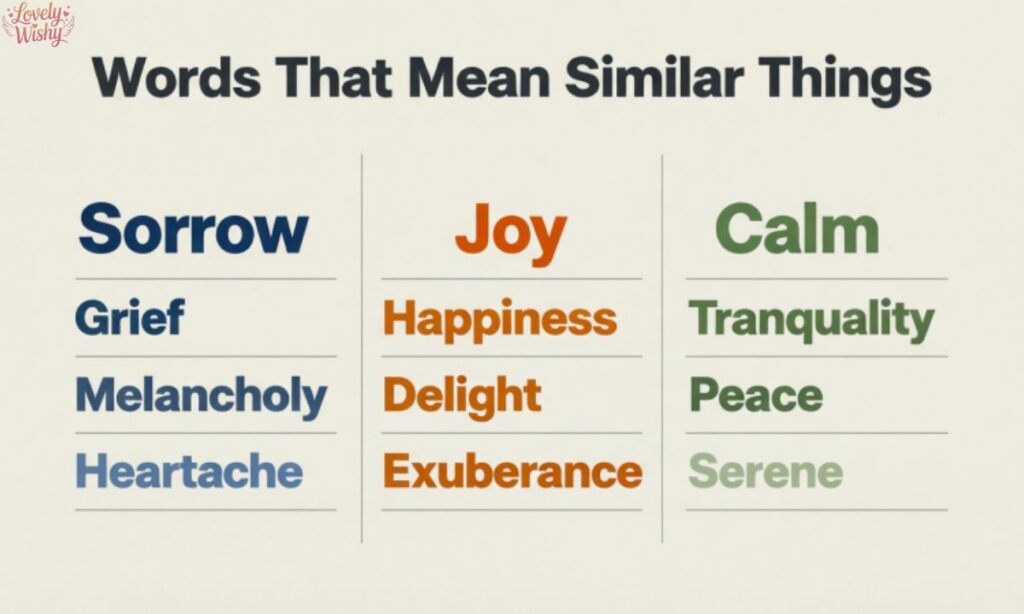
Different cultures have their own ways of saying what “fett” expresses. Here are common alternatives.
German Slang Similar to “Fett”:
- Krass (crazy/intense)
- Geil (cool/great)
- Hammer (amazing/excellent)
Caribbean Alternatives to “Fett”:
- Bash (a party or hangout)
- Lime (a casual gathering or social time)
- Mas (short for masquerade, popular during Carnival)
English Equivalents:
- Cool
- Lit
- Dope
- Sick
- Epic
When “Fett” Works and When It Doesn’t
Knowing when to use a word is just as important as knowing what it means.
Perfect for Casual Settings: With friends, at parties, in gaming communities, or during informal conversations online, “fett” works great. It sounds natural and gets your message across.
Risky in Professional Spaces: A workplace meeting, formal email, or professional presentation is no place for “fett.” In Germany, it can sound unprofessional or crude. In English-speaking offices, most people won’t even know what you mean.
Handle Cross-Cultural Situations with Care: If you’re in a mixed group, clarify before using “fett.” What sounds like a compliment to one person might sound like an insult to another. Better safe than awkward.
“Fett” Explained Simply
Think of “fett” as a word that means different things depending on where you encounter it. In Germany, it’s youth slang for something excellent or impressive—similar to calling something “cool” or “amazing” in English. In the Caribbean, particularly Trinidad and Tobago, it describes the big parties and celebrations that happen during Carnival season, filled with music, dancing, and incredible energy. In pop culture, it’s known as the surname of Star Wars characters. The key to understanding “fett” is paying attention to who’s saying it, where you are, and what conversation is happening around you.
Potential Offensive Uses and How to Handle Them
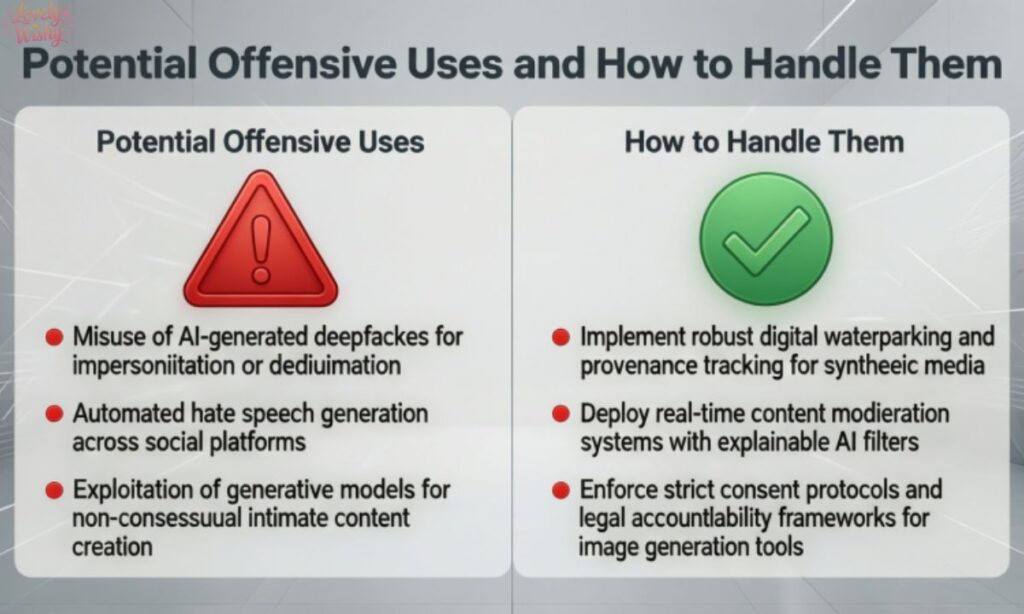
While “fett” is generally fun and positive in slang contexts, misuse can create problems.
Body-Shaming Risk: If someone uses “fett” directly about your body, emphasizing the literal meaning of “fat,” it’s an insult. Context makes this obvious—the tone will be mean rather than enthusiastic.
Online Misuse: Trolls occasionally weaponize “fett” or other slang terms to shame people about their appearance or weight. These instances are clearly meant to hurt, not compliment.
Cultural Insensitivity: Using “fett” inappropriately in cross-cultural settings can make you sound disrespectful or ignorant of its origins.
How to Respond: Stay calm. If it’s clearly meant as a negative comment about appearance, don’t engage. If it’s genuine slang from friends, enjoy the compliment. If you’re unsure, ask for clarification in a friendly way.
Comparison: “Fett” vs Other Similar Words
| Word | What It Means | When You’d Use It | Origin |
| Fett | Cool (German slang) / Party (Caribbean) / Star Wars character | Casual conversations, gaming, social settings | German + Caribbean languages |
| Fête | Festival or celebration | Formal or traditional contexts | French |
| Lit | Exciting and fun | Modern English slang, online/social media | Contemporary American English |
| Cool | Stylish and impressive | Universal, works almost anywhere | Standard English |
| Sick | Excellent, impressive | Casual settings, sports, gaming | Modern English slang |
Common Questions About “Fett”
What exactly does “fett” mean in German? It literally refers to fat, but in modern slang among younger Germans, it means “cool,” “awesome,” or “amazing.” It’s a compliment about something impressive.
Is “fett” the same word as “fête”? Not exactly. “Fête” is French for festival or celebration. “Fett” is the Caribbean Creole adaptation of this word, specifically referring to the big parties typical of Carnival season.
Why do people call those Star Wars characters “Fett”? George Lucas created the surnames Boba Fett and Jango Fett for these characters. The name choice wasn’t based on German or Caribbean meanings—it was simply a creative decision by the screenwriter.
Can “fett” actually be offensive? Yes, if used to describe someone’s body as literally fat, it can be insulting in German. But in slang contexts expressing enthusiasm about something awesome, it’s a compliment. Tone and context matter enormously.
Where do people use “fett” most today? It’s most common in German youth culture and slang, throughout Caribbean Carnival celebrations, in global online gaming communities, and anywhere Star Wars fans gather to discuss the franchise.
Final Thoughts
“Fett” represents something beautiful about language, how words travel, transform, and take on new life in different communities. What began as a German word for a physical substance evolved into enthusiastic slang for young people. A French celebration word became a cornerstone of Caribbean party culture. A filmmaker’s creative choice became a global pop culture reference.
The real skill isn’t just knowing what “fett” means. It’s understanding that meaning depends on context, recognizing when to use it, and appreciating the cultural roots behind it. Whether someone’s inviting you to a fett in Trinidad, complimenting your outfit in Berlin, or talking about Star Wars, you now know how to respond thoughtfully.
Language connects us across borders, but respect for those connections means paying attention to where words come from and how people actually use them. That’s the secret to sounding natural, avoiding mistakes, and truly understanding the communities behind the words.

LovelyWishy is a warm space filled with meaningful wishes, heartfelt messages, and thoughtful responses. We create simple, beautiful words that help you express emotions, celebrate moments, and connect with the people you love in a special and memorable way.