

CYA is a common slang term that people use in texting and online chats every day. It may look simple, but it can have different meanings depending on the situation. Many users type it quickly in casual conversations without thinking much about it. Understanding CYA can help you communicate more clearly and naturally with others.
In friendly messages, CYA often means See You Again when ending a conversation. In other situations, it can mean Cover Your A which is used in a more serious or professional tone. The meaning always depends on the context and the way it is used. Learning how to use CYA correctly will make your texting style sound more like a native speaker.
What’s the Deal with CYA? Let’s Break It Down
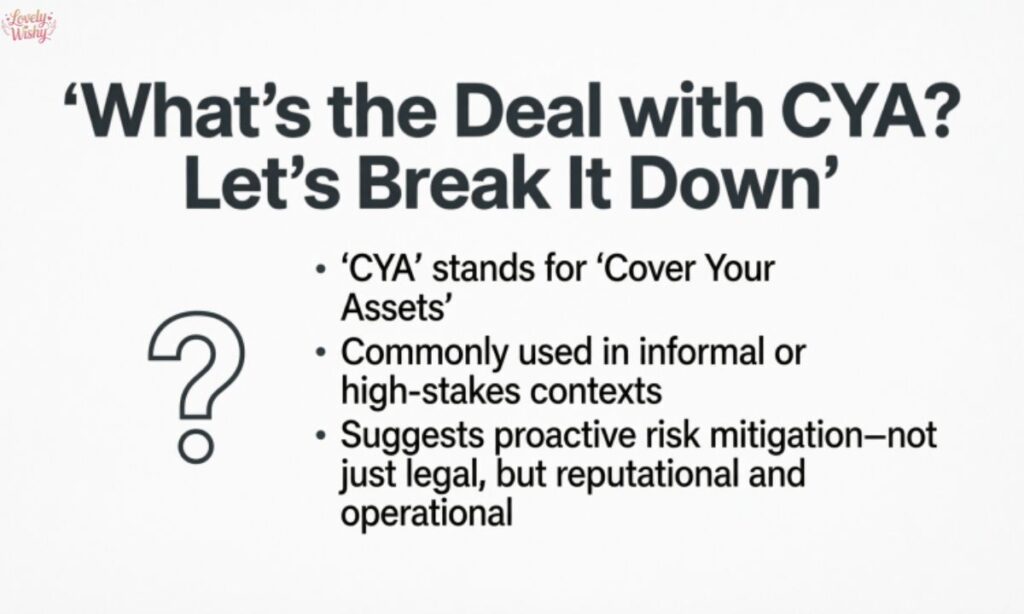
Ever been texting a friend and they sign off with ‘cya’? You’re probably scratching your head wondering if it’s rude, casual, or just efficient. Here’s the reality: CYA is one of the most common text message abbreviations floating around, and it’s been around longer than you might think. Whether you’re navigating group chats on WhatsApp, sliding into DMs on Instagram, or wrapping up a casual Discord conversation, understanding what CYA means and how to use it can actually improve your digital communication.
I’ve spent years analyzing online communication trends, and what’s interesting is how this simple three-letter acronym has evolved. It’s not just something teenagers use anymore. Professionals, parents, and even corporate teams are adopting casual internet speak, and CYA is right there in the mix. Let me walk you through everything you need to know.
What Does CYA Actually Stand For?
CYA = See You Later (or simply, See You)
That’s it. That’s the whole thing. It’s an abbreviation created to save you from typing four extra words. Instead of writing see you later or see you, you just type three letters and hit send. The beauty of CYA is its simplicity. In a world where we’re constantly racing against time and our fingers are already exhausted from scrolling, why not shave off a few keystrokes?
Think of it as the digital equivalent of waving goodbye. It’s friendly, it’s casual, and it’s the perfect way to end a quick chat without sounding formal or cold. But here’s where it gets nuanced: tone matters enormously in text, and CYA can land differently depending on how you use it.
Where Did CYA Come From? A Quick History
Back in the 1990s, when dial-up internet was king and people were chatting in AOL chatrooms, text speed mattered. Every second your modem was connected cost money (or so it felt), and bandwidth was precious. Chat abbreviations weren’t just convenient, they were almost necessary. This is when CYA, along with BRB (be right back), TTYL (talk to you later), and G2G (got to go), became the standard vocabulary of online communication.
Then mobile phones exploded. SMS texting had character limits and slow typing interfaces. Suddenly, abbreviations weren’t just cool, they were functional. CYA became embedded in how millions of people communicate. Even today, decades later, when typing is faster and easier than ever, we still use these abbreviations because they’ve become part of our digital culture and muscle memory.
Where and When Should You Actually Use CYA?
The Right Contexts for CYA
Using CYA in the right situation is key. Here’s where it actually works:
• Text messages with friends or family
• Casual social media comments (Instagram, TikTok, Snapchat)
• Gaming chats or Discord servers with friends
• Quick Slack messages in team channels (depending on your workplace culture)
• Online forums or Reddit threads where casual tone is expected
Where CYA Doesn’t Belong
Let me be blunt: there are situations where using CYA would absolutely tank your credibility. Think carefully before typing it in these scenarios:
• Professional emails to clients or your boss
• Job interview follow-ups
• Customer service conversations
• Academic or formal written work
• Legal or financial communications
CYA in Action: Real Examples
Sometimes the best way to understand context is through actual examples. Here’s how people use CYA in the wild:
Example 1: Casual Friend Chat
Sarah: ‘Gotta run to class, my professor is already glaring at me’ Mike: ‘lol cya tonight!’ Tone: Friendly, relaxed, understood immediately
Example 2: Gaming Community
Player1: ‘This raid was epic! See you next week?’ Player2: ‘cya dude!’ Tone: Expected in gaming contexts, signals camaraderie
Example 3: When It Might Offend
HR Manager: ‘We need to discuss your performance review tomorrow.’ Employee: ‘Ok cya then’ Tone: Comes across as dismissive or unprofessional in this context
Common Variations and How People Modify CYA
CYA isn’t always used exactly as typed. People get creative, and these variations are common:
| Variation | Example | Tone/Context |
| CYA! | Heading out now cya | Enthusiastic, upbeat |
| CYA later | Talk to you tonight cya later | Slightly more casual, friendly |
| CYA 👋 | Alright cya 👋😎 | Warm, visual goodbye |
| CYAL | Heading to the gym cyal | Shorthand for ‘see you all |
The Pros and Cons of Using CYA
Advantages
• Saves time and keystrokes
• Feels natural and peer-appropriate for casual conversations
• Universally recognized across different platforms and age groups
• Can be enhanced with emojis for better tone
Disadvantages
• Can seem unprofessional in formal settings
• May be misinterpreted as rude or dismissive without context
• Tone is harder to convey in text than in person
• Not everyone understands all abbreviations, especially older audiences
CYA vs. Similar Acronyms: What’s the Difference?
CYA lives alongside other text abbreviations. Here’s how they compare:
| Acronym | Stands For | When to Use |
| CYA | See you (later) | Quick goodbye, any time soon |
| BRB | Be right back | Temporary absence, brief return |
| TTYL | Talk to you later | Ending conversation, later contact |
| G2G | Got to go | Urgent or immediate departure |
| L8R | Later | Very casual goodbye, often ironic |
The Psychology of CYA: Why Tone Matters
Here’s something most guides miss: the way you use CYA can completely change how the recipient interprets your message. I’ve seen friendships get awkward because someone used CYA in the wrong context. It sounds dramatic, but text communication lacks vocal inflection and body language, which means abbreviations carry more weight than you’d think.
A casual cya after a heated argument can feel dismissive. The same cya in a friendly chat feels warm. Context, tone, and your relationship with the person all matter. This is why understanding not just the definition but the social implications of CYA is crucial for effective digital communication.
Frequently Asked Questions
Is CYA considered rude
Not inherently. CYA is casual and friendly in the right context. However, it can feel dismissive if you use it after serious conversations or in professional settings without established rapport. Always consider your relationship and the conversation’s tone before sending it.
Should I use CYA at work
It depends on your workplace culture. If your team uses Slack casually and abbreviations are already common, CYA might fit. However, in client-facing emails or formal communications, always stick with proper language. When in doubt, err on the side of professionalism.
Do older people understand CYA
Many do, but not all. CYA has been around for over 25 years, so it’s widely recognized. Still, your grandmother might be confused. If you’re texting someone older, consider their familiarity with internet slang before using abbreviations. A simple “talk to you later” is safer if you’re unsure.
Is CYA still relevant in 2026
Absolutely. Despite new slang constantly emerging, CYA remains one of the most recognizable text abbreviations. It’s been absorbed into digital culture and isn’t going anywhere. You’ll see it in texts, comments, and gaming chats for years to come.
Final Thoughts
CYA is more than just three letters. It’s a window into how modern communication has evolved. We’ve gone from formal letters to instant messaging, from avoiding abbreviations to embracing them as normal speech. Understanding what CYA means, where to use it, and how tone affects its interpretation makes you a better digital communicator.
The simple rule, Know your audience. With friends and peers, CYA is perfect. In professional or unfamiliar contexts, take an extra second and type out the full goodbye. That small effort shows respect and emotional intelligence.
Next time you see CYA in a message, you’ll know exactly what it means and how to use it like a native speaker of the internet age. And maybe, just maybe, your digital conversations will feel a little more natural.

LovelyWishy is a warm space filled with meaningful wishes, heartfelt messages, and thoughtful responses. We create simple, beautiful words that help you express emotions, celebrate moments, and connect with the people you love in a special and memorable way.