

Wine has long been associated with sophistication, culture, and craftsmanship. For many collectors and enthusiasts, building a wine collection is not simply about purchasing bottles for immediate enjoyment. Individuals seeking professional wine storage solutions can visit https://celsius.com.sg/ to learn more about facilities designed to maintain optimal conditions for wine preservation. It is also about preserving flavour, protecting investment value, and allowing wines to mature gracefully over time. However, owning fine wine comes with responsibilities, and one of the most important aspects is ensuring proper storage conditions.
Many people underestimate how sensitive wine is to environmental changes. A bottle that has been carefully produced and aged by winemakers can quickly lose its quality when exposed to unsuitable conditions. Temperature fluctuations, humidity imbalance, excessive light exposure, and vibration can all negatively affect the taste, aroma, and structure of wine. Because of these factors, wine storage has become an essential part of wine ownership rather than an optional luxury.
In countries with warm and humid climates, preserving wine becomes even more challenging. Singapore, for example, experiences tropical weather conditions that are far from ideal for natural wine storage. High temperatures and humidity levels can accelerate ageing and damage delicate wine compounds. As a result, wine enthusiasts increasingly rely on professional storage solutions and advanced technology to protect their collections.
Today, wine storage is no longer limited to underground cellars in large estates. Modern solutions have evolved to meet the needs of urban lifestyles, offering both personal and professional storage options that combine convenience, technology, and environmental control.
Why Temperature Control Matters in Wine Storage
Temperature is one of the most critical elements in preserving wine quality. Wine is highly sensitive to heat, and prolonged exposure to high temperatures can cause chemical reactions that damage flavour and aroma. Excessive warmth accelerates ageing, often resulting in flat or unpleasant-tasting wine that loses its intended complexity.
The ideal storage temperature for wine is generally between 12°C and 14°C. More importantly, the temperature should remain stable. Constant fluctuations can cause wine to expand and contract inside the bottle, affecting the cork seal and allowing oxygen to enter. Once oxygen infiltrates the bottle, oxidation occurs, which can spoil the wine and significantly reduce its value.
In tropical climates, maintaining consistent cool temperatures naturally is nearly impossible. Air-conditioned rooms alone are usually insufficient because they are not specifically designed to maintain precise wine storage conditions. This is why dedicated wine coolers and professional storage facilities have become increasingly popular among collectors.
Modern climate-controlled systems ensure that wine remains stored within carefully regulated temperature ranges. These systems continuously monitor environmental conditions and adjust cooling mechanisms accordingly. Such precision helps preserve the wine’s intended aging process and protects the delicate balance of flavours developed by winemakers.
Humidity and Its Impact on Wine Preservation
Humidity is another major factor in wine storage that many people overlook. Proper humidity levels are necessary to preserve cork integrity and prevent bottle deterioration. If the environment is too dry, corks may shrink and crack, allowing air to seep into the bottle. This exposure can lead to oxidation and spoilage.
On the other hand, excessive humidity can also create problems. High moisture levels may encourage mould growth and damage wine labels, reducing the aesthetic and collectible value of bottles. For serious collectors and investors, label condition can play a significant role in determining a wine’s resale value.
Most experts recommend maintaining humidity levels at around 70 percent. Achieving this balance requires specialised storage systems capable of regulating moisture accurately. Professional wine storage facilities are specifically designed to manage humidity effectively while protecting wine collections from external environmental changes.
For collectors storing wine at home, advanced wine cabinets often include humidity-control features that help recreate ideal cellar conditions. These solutions provide peace of mind, particularly for individuals who own rare or expensive bottles.
Protecting Wine from Light Exposure
Light exposure, especially ultraviolet light, can damage wine over time. UV rays break down organic compounds within the wine, affecting flavour, aroma, and colour. This condition, often referred to as “light strike”, can permanently alter the wine’s quality.
Natural sunlight poses the greatest risk, but artificial lighting can also contribute to deterioration when exposure is prolonged. This is why traditional wine cellars are often dark spaces with minimal lighting.
Modern wine storage solutions address this issue through the use of tinted glass doors, UV-resistant materials, and low-intensity lighting systems. These features protect bottles from harmful rays while still allowing collectors to display their collections attractively.
Professional storage facilities further enhance protection by maintaining consistently dark environments designed specifically for wine preservation. By limiting exposure to damaging light sources, these facilities help ensure that wine matures naturally without unnecessary interference.
The Often Overlooked Threat of Vibration
While temperature and humidity receive most of the attention, vibration is another factor that can negatively affect wine quality. Frequent movement or vibrations disturb the natural ageing process by agitating sediment inside the bottle. Over time, this disruption may interfere with the wine’s development and alter its flavour profile.
In urban environments, vibration can come from nearby traffic, household appliances, elevators, or even construction activities. Although these movements may seem insignificant, long-term exposure can impact sensitive wines.
Specialised wine storage facilities and premium wine cabinets are designed to minimise vibration. Many use advanced shelving systems and quiet cooling technology that reduce unnecessary movement. By creating stable conditions, these systems allow wine to age properly and develop its intended characteristics over time.
The Rise of Professional Wine Storage Services
As wine collections grow in size and value, many collectors turn to professional wine storage services for added security and convenience. These facilities offer more than just storage space. They provide carefully controlled environments that meet ideal conditions for preserving fine wines.
Professional cellaring services are particularly valuable in cities where residential space is limited. Instead of investing heavily in building a home cellar, collectors can store their wines in dedicated facilities designed specifically for long-term preservation.
Security is another major advantage. Valuable wine collections can represent significant financial investments, making protection essential. Professional facilities often include advanced security systems, restricted access, surveillance monitoring, and insurance coverage that safeguard collections against theft or damage.
Inventory management services also help collectors organise and track their wines more efficiently. Some facilities provide digital cataloguing systems that allow users to monitor bottle locations, maturity timelines, and market values remotely.
These services simplify collection management while ensuring wines remain stored under optimal conditions.
Technology Transforming Modern Wine Storage
Technological advancements have significantly changed how wine is stored and monitored. Smart wine storage systems now offer features that provide collectors with greater control and convenience.
Many modern wine coolers include sensors that continuously monitor temperature and humidity levels. Mobile applications allow users to receive alerts if conditions fluctuate outside ideal ranges. This real-time monitoring helps prevent accidental spoilage and provides reassurance for collectors managing valuable inventories.
Some systems also incorporate inventory tracking technology that records bottle information, drinking windows, and tasting notes. This allows collectors to organise collections more efficiently and make informed decisions about when to open specific bottles.
Artificial intelligence and automation are beginning to influence wine storage as well. Advanced systems can analyse environmental patterns and automatically adjust conditions for improved efficiency and consistency.
These innovations demonstrate how wine storage has evolved beyond traditional methods into a sophisticated blend of technology and preservation science.
Wine as a Long-Term Investment
Wine is increasingly viewed not only as a luxury product but also as an alternative investment asset. Rare and properly stored wines can appreciate significantly in value over time, attracting investors seeking portfolio diversification.
However, maintaining wine value depends heavily on storage quality and documented provenance. Buyers and auction houses often require evidence that wines have been stored under appropriate conditions throughout their lifespan.
Professional storage facilities provide condition reports and detailed documentation that verify storage standards. These records increase buyer confidence and help preserve resale value.
Improperly stored wine, regardless of brand or rarity, can lose much of its market value. Cork damage, heat exposure, and label deterioration all reduce collectibility and desirability among buyers.
For investors, quality storage is therefore not simply a convenience but a necessary part of protecting financial returns.
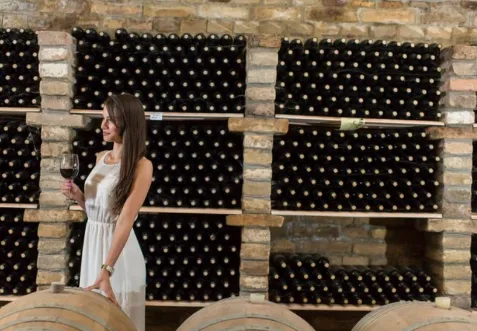
Creative Wine Storage Solutions for Urban Living
Limited residential space presents challenges for wine enthusiasts living in modern cities. Traditional underground wine cellars are rarely practical in urban apartments or compact homes. Fortunately, creative storage solutions have emerged to address these limitations.
Compact wine cabinets and modular racking systems allow collectors to maximise available space while maintaining proper storage conditions. These systems can be integrated into kitchens, dining areas, or living rooms without compromising aesthetics.
Some homeowners even incorporate wine storage into furniture designs or hidden wall installations that combine style with functionality. These modern approaches reflect the growing demand for practical yet visually appealing storage solutions.
Shared community wine cellars have also become more common. These facilities allow collectors to rent storage space without the expense of building personal wine rooms. This option provides affordable access to professional-grade storage environments.
Sustainability in Wine Storage Facilities
Environmental awareness is becoming increasingly important across many industries, including wine storage. Modern facilities are adopting sustainable practices aimed at reducing energy consumption and minimising environmental impact.
Energy-efficient cooling systems help lower electricity usage while maintaining precise climate control. Some facilities also use eco-friendly insulation materials and energy-saving lighting systems to reduce operational costs and carbon emissions.
Water recycling systems and renewable energy sources are also being integrated into some storage facilities. These initiatives demonstrate how sustainability and luxury services can coexist effectively.
For environmentally conscious collectors, choosing facilities committed to green practices adds another layer of value beyond wine preservation alone.
Legal and Regulatory Considerations
Wine storage also involves legal responsibilities related to alcohol handling and transportation. Different countries maintain regulations governing importation, storage, and distribution of alcoholic beverages.
Professional storage facilities help collectors comply with these regulations by providing accurate documentation and maintaining legally approved storage conditions. This reduces the risk of legal complications associated with improper handling or transportation.
For collectors involved in international wine trading or investment, regulatory compliance becomes particularly important. Proper storage documentation strengthens authenticity verification and simplifies future transactions.
The Future of Wine Storage
The future of wine storage will likely continue evolving alongside advancements in technology, sustainability, and consumer preferences. As wine collections become more sophisticated and valuable, demand for smarter and more efficient storage solutions will continue growing.
Artificial intelligence, automated climate systems, and advanced digital inventory management may soon become standard features in both residential and commercial wine storage. These innovations will further improve preservation accuracy while simplifying collection management.
At the same time, urban lifestyles will continue driving demand for space-efficient storage solutions that combine convenience with luxury aesthetics. Professional storage services are expected to expand further as collectors seek secure environments for long-term preservation.
Ultimately, wine storage represents a careful balance between science, craftsmanship, and passion. Whether preserving a small personal collection or managing a large investment portfolio, maintaining proper storage conditions remains essential for protecting the quality, heritage, and long-term value of fine wines.

LovelyWishy is a warm space filled with meaningful wishes, heartfelt messages, and thoughtful responses. We create simple, beautiful words that help you express emotions, celebrate moments, and connect with the people you love in a special and memorable way.