

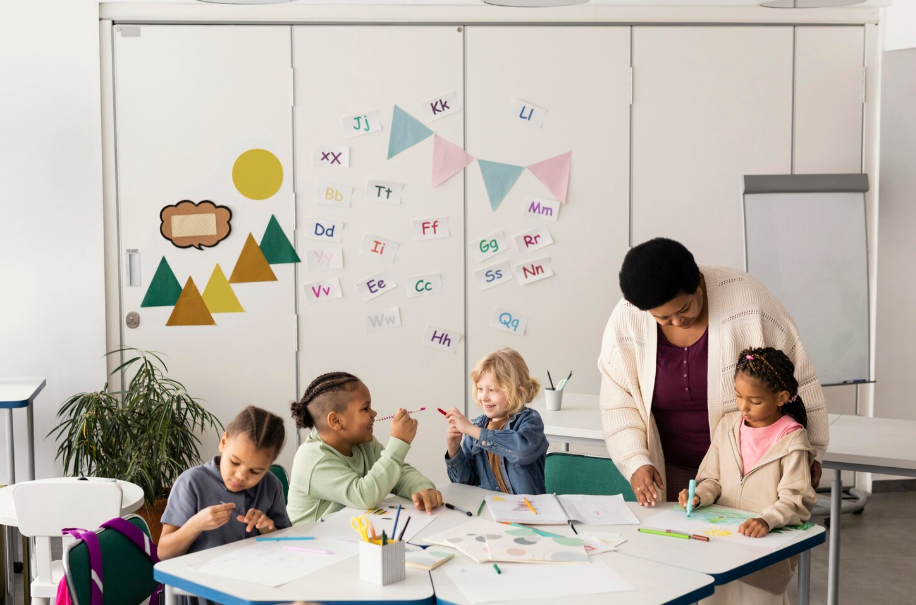
Nursery education in Singapore holds a pivotal role in shaping the early developmental stages of children. One exemplary model of this is the KiddiWinkie Schoolhouse nursery class in Singapore, which showcases an ideal blend of play, learning, and social interaction. This meticulous approach to education caters to the holistic development of young learners, setting a strong foundation for their future academic and social success.
A Focus on Quality Early Childhood Education
Singapore is renowned for its commitment to providing quality education across all levels. The focus on nursery classes is no exception. With a curriculum designed to balance both academic learning and social-emotional development, nurseries in Singapore lay the groundwork for the comprehensive growth of a child. In a setting that promotes curiosity, children are encouraged to explore and question, facilitating a natural interest in learning that extends beyond the classroom.
Curriculum Design and Implementation in Singaporean Nursery Classes
The curriculum in many Singaporean nursery classes is harmoniously designed to integrate knowledge acquisition with play-based activities. This method supports the cognitive, emotional, and physical growth of children. Nursery classes often incorporate themes that change regularly, keeping lessons fresh and engaging for young minds. Such thematic learning not only promotes understanding and retention but also nurtures creativity and imagination.
Importance of Play in Learning
Play is a crucial component of nursery class education in Singapore. It serves as a medium through which children learn about their world. Structured play allows children to develop social skills like sharing, negotiating, and empathy. Unstructured playtime, on the other hand, fosters creativity and problem-solving abilities. Nursery classes are adept at balancing these aspects of play to create a comprehensive learning environment.
The Role of Educators in Nursery Classes
The role of the educator is particularly important in a nursery setting. Teachers in Singapore are highly trained to understand the unique needs of young learners. They cultivate a nurturing and safe environment where children feel supported to express themselves and explore their interests. This approach helps to build a strong teacher-student relationship based on trust and respect, which is fundamental during the early years of education.
Parental Involvement and Its Benefits
Parental involvement is another vital aspect of nursery education in Singapore. Classes frequently encourage parents to engage with their child’s learning process. This collaboration between parents and educators ensures a consistent reinforcement of educational and behavioural goals both at school and at home. Studies have shown that such involvement improves a child’s self-esteem and increases their motivation to learn.
Cultural Diversity and Inclusivity
Singapore is a multicultural nation, and its nursery classes reflect this diversity. By incorporating multicultural elements into the curriculum, nurseries promote inclusivity and respect for different cultures. This exposure to various cultural practices and languages at an early age enriches children’s understanding of the world and helps to cultivate a sense of global citizenship.
Innovation in Early Childhood Education
Singapore’s nurseries continuously seek innovative methods to enhance early childhood education. The integration of technology into the classroom is increasingly prevalent, with tools such as interactive whiteboards and educational apps being used to enrich learning experiences. However, these tools are used judiciously to complement traditional learning methods rather than replace them, ensuring that young children remain engaged while developing essential technological skills.
Measuring Success in Nursery Education
The success of nursery education in Singapore is often measured not just by academic achievement but by the well-rounded development of the child. Attributes such as emotional intelligence, resilience, and adaptability are highly valued. Assessments are typically observational, allowing educators to track the child’s developmental progress and tailor their approach accordingly.
Challenges and Considerations
Despite the strengths of the nursery education system in Singapore, there are challenges. The pressure to perform can sometimes pervade even at the nursery level, prompting debates about the right balance between structure and freedom in early education. The high demand for places in reputable nurseries also poses accessibility challenges for some families.
Looking Ahead: The Future of Nursery Education
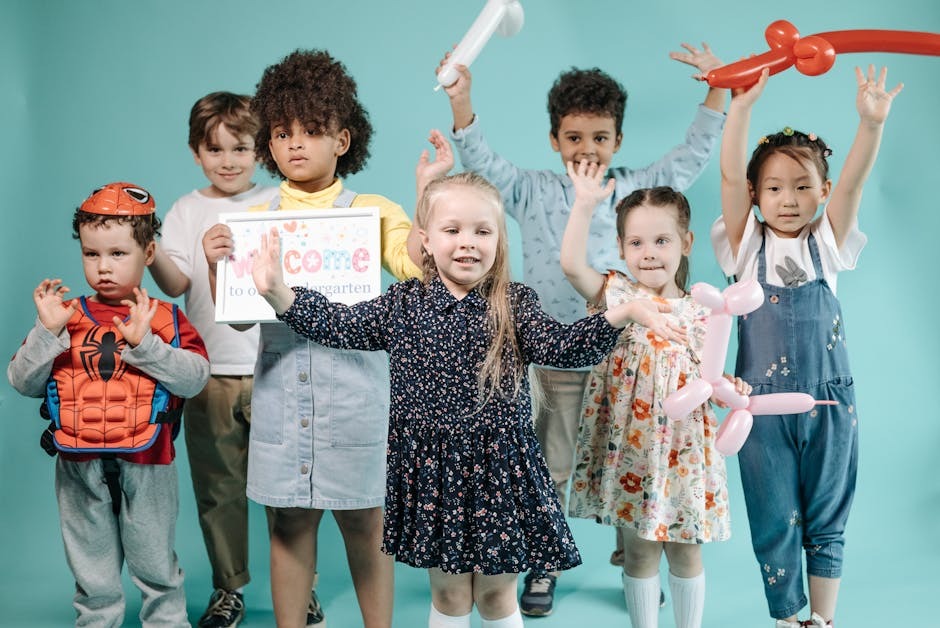
The future of nursery education in Singapore involves continued evolution and adaptation to meet the changing needs of society. Embracing a flexible approach that effectively incorporates new educational research, cultural shifts, and technological advancements will be key to sustaining high standards. As Singapore strives to nurture future-ready learners, its nursery classes remain at the forefront of educational innovation and excellence.
There’s no doubt about the vital impact that a well-structured nursery education can have on a child’s formative years. Whether through their impressive curriculum designs, skilled educators, the incorporation of play, or emphasis on cultural diversity, nursery schools in Singapore set a benchmark for early childhood education worldwide.

LovelyWishy is a warm space filled with meaningful wishes, heartfelt messages, and thoughtful responses. We create simple, beautiful words that help you express emotions, celebrate moments, and connect with the people you love in a special and memorable way.